The Government just accidentally made the best argument against high taxes
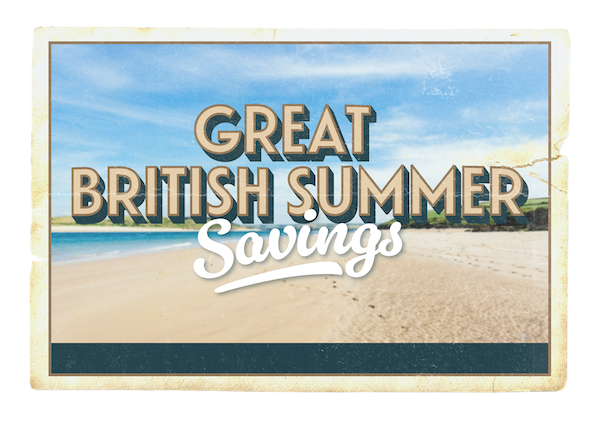
The Government has announced its new "Great British Summer Savings" scheme. The basic idea is that certain family activities over the summer holidays will attract a reduced rate of VAT, making days out cheaper... encouraging people to spend more money.
On the face of it, that seems perfectly reasonable. Families get a bit of help during the most expensive time of the year, and businesses in hospitality, leisure and entertainment hopefully see a few more customers through the door. Nobody is likely to object too strongly to that.
What I find more interesting, however, is the thinking behind it.
The Government is effectively saying that if you reduce the tax burden on something, people are more likely to buy it. If a family day out costs less, more families will go. If tickets are cheaper, more tickets will be sold. If spending becomes more attractive, spending increases. That isn't a particularly controversial position. In fact, it's probably one of the least controversial economic arguments imaginable.
The awkward question is why that logic seems to apply only when taxes are being reduced.
If cutting VAT encourages spending, surely increasing VAT discourages it. If reducing the cost of something leads to more economic activity, increasing the cost must have the opposite effect. It is difficult to argue one without implicitly accepting the other.
Yet tax rises are often presented as though they exist in a completely different universe. We are frequently told that businesses will absorb the costs, consumers won't really notice and economic behaviour will remain largely unchanged. The same people who understand perfectly well that incentives matter when taxes are cut sometimes appear remarkably reluctant to acknowledge that incentives matter when taxes are increased.
Business owners don't usually need an economist to explain this to them because they see it happen every day. Small changes in price affect customer decisions. Small changes in costs affect profitability. Margins that look insignificant on paper can make a significant difference in the real world. Every business owner understands that people respond to incentives because they watch it happen in front of them every week.
None of this means the Great British Summer Savings scheme is a bad idea. Quite the opposite. If the Government wants to stimulate spending during the summer holidays, reducing VAT is a logical way of trying to achieve it. The policy itself isn't really the point.
The point is that the Government clearly believes taxes influence behaviour. Otherwise there would be absolutely no reason to introduce the scheme in the first place.
Perhaps the most interesting thing about the announcement is not the temporary tax cut itself, but the admission hidden within it. If lower taxes encourage spending, growth and economic activity, then higher taxes inevitably have consequences too. Most business owners already know that. It's just refreshing to see the Government acknowledge half of the argument.
Lloyd
The Finance Guy
Other Hatch blogs you may be interested in...